History
Our Name, Our History
The Patch Centro Orgullo carries a name rooted in courage, resistance, and community.
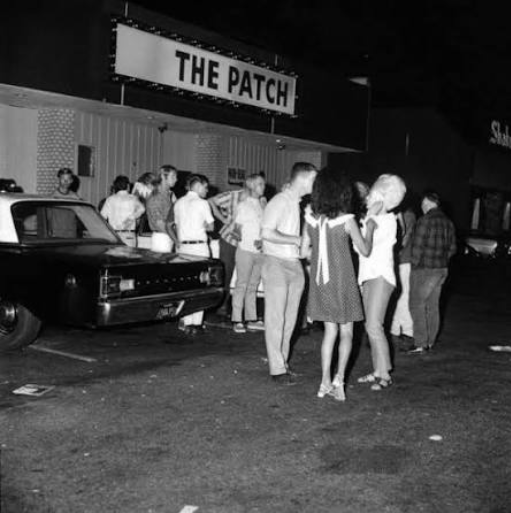
Long before our organization existed, The Patch Bar stood in Wilmington, California, as a gathering place for gay and lesbian people at a time when simply being open about who you were could come with harassment, discrimination, and arrest.
Located at 610 W. Pacific Coast Highway, The Patch became more than a bar. It was a place where LGBTQ+ people could gather, dance, build community, and find a sense of belonging during an era when very few spaces welcomed them.
In 1968, The Patch and its patrons became part of LGBTQ+ history.
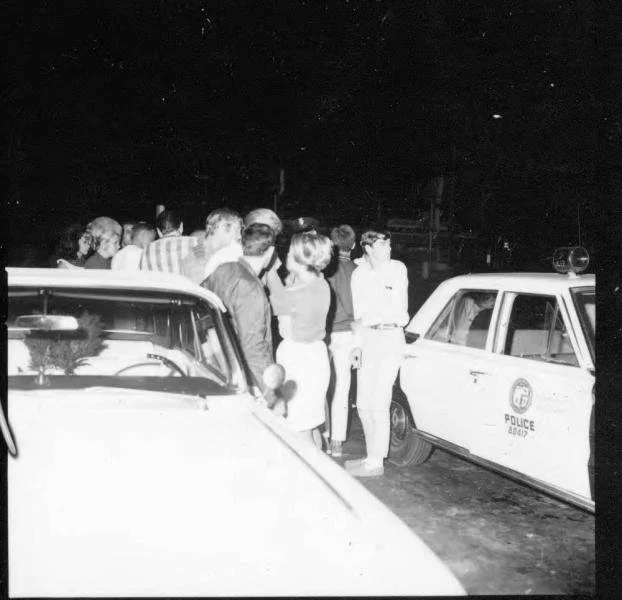
The bar and its owner and manager, Lee Glaze, faced repeated police harassment and restrictions on how LGBTQ+ patrons could express themselves inside the establishment. In August 1968, police entered The Patch and arrested two patrons. Glaze had had enough. He stood before the crowd and declared that being homosexual and being inside a gay bar were not crimes.
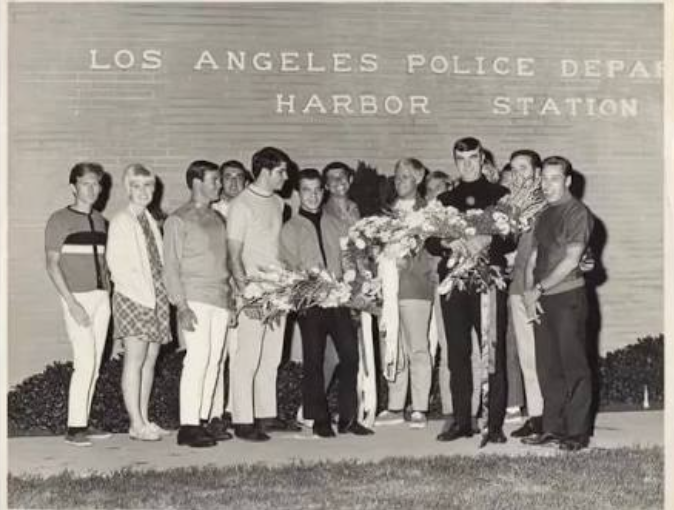
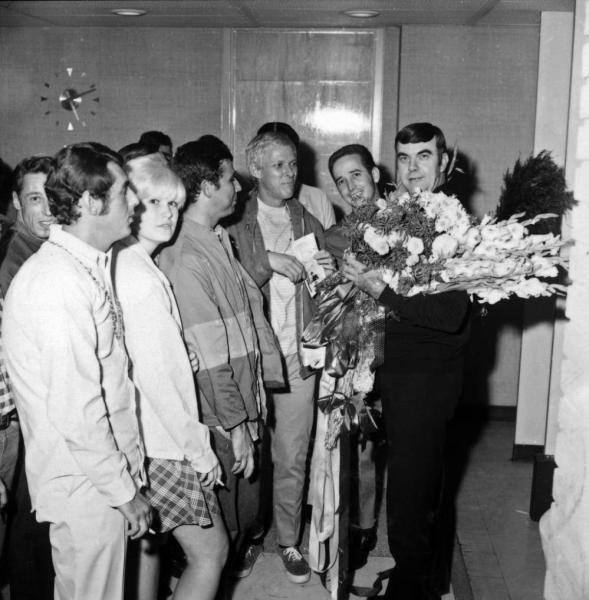
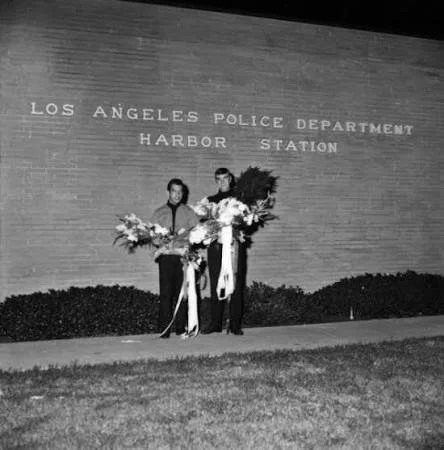
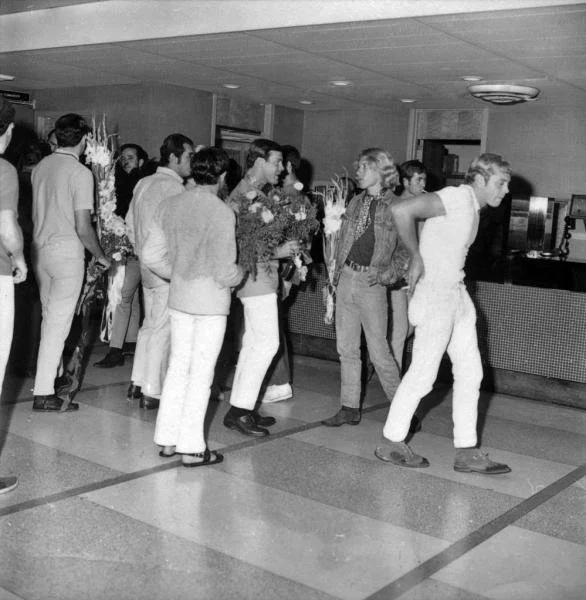
What happened next became known as the Flower Power Protest.
Glaze and a group of Patch patrons gathered flowers and traveled to the LAPD Harbor Division station, where they peacefully protested and waited for their friends to be released. This act of resistance took place nearly a year before the Stonewall uprising in New York and is remembered as an important chapter in Southern California's LGBTQ+ civil rights history.
The events at The Patch also had a lasting impact beyond Wilmington. Reverend Troy Perry was there that night, and the arrest of his companion, Tony Valdez, helped inspire Perry to establish the Metropolitan Community Church, which would become an important institution for LGBTQ+ people of faith.
Why We Carry the Name
Today, The Patch Centro Orgullo uses the name “The Patch” in honor of the people who came before us.
We are not the original Patch Bar. We are a new nonprofit organization carrying forward the spirit behind its name: creating a place where LGBTQ+ people can belong, be themselves, find community, and know that someone is willing to stand beside them.
The people who gathered at The Patch faced a world that often told them to hide. They experienced harassment and discrimination simply for seeking community and expressing who they were. Yet when members of their community were targeted, they stood together.
That legacy matters to us.
Our work focuses especially on LGBTQIA+ youth in the Los Angeles Harbor Area. Through community, wellness, mental health resources, leadership opportunities, resource navigation, and affirming events, we want young people to have something previous generations had to fight much harder to find: a safe place to belong.
We carry The Patch name as a tribute to that history and as a responsibility.
We remember those who gathered in Wilmington decades ago.
We honor those who stood up when it was dangerous to stand up.
And we carry their legacy forward by building a future where the next generation of LGBTQIA+ young people can live with greater pride, dignity, safety, and belonging.
Their courage is part of our history. Their legacy is part of our name. And their fight for belonging continues through our work.